
Build an approval‑ready credit profile
Understand what’s driving your credit decisions, identify items that may be unfair or inaccurate, and take a structured next step toward stronger approvals and better terms.
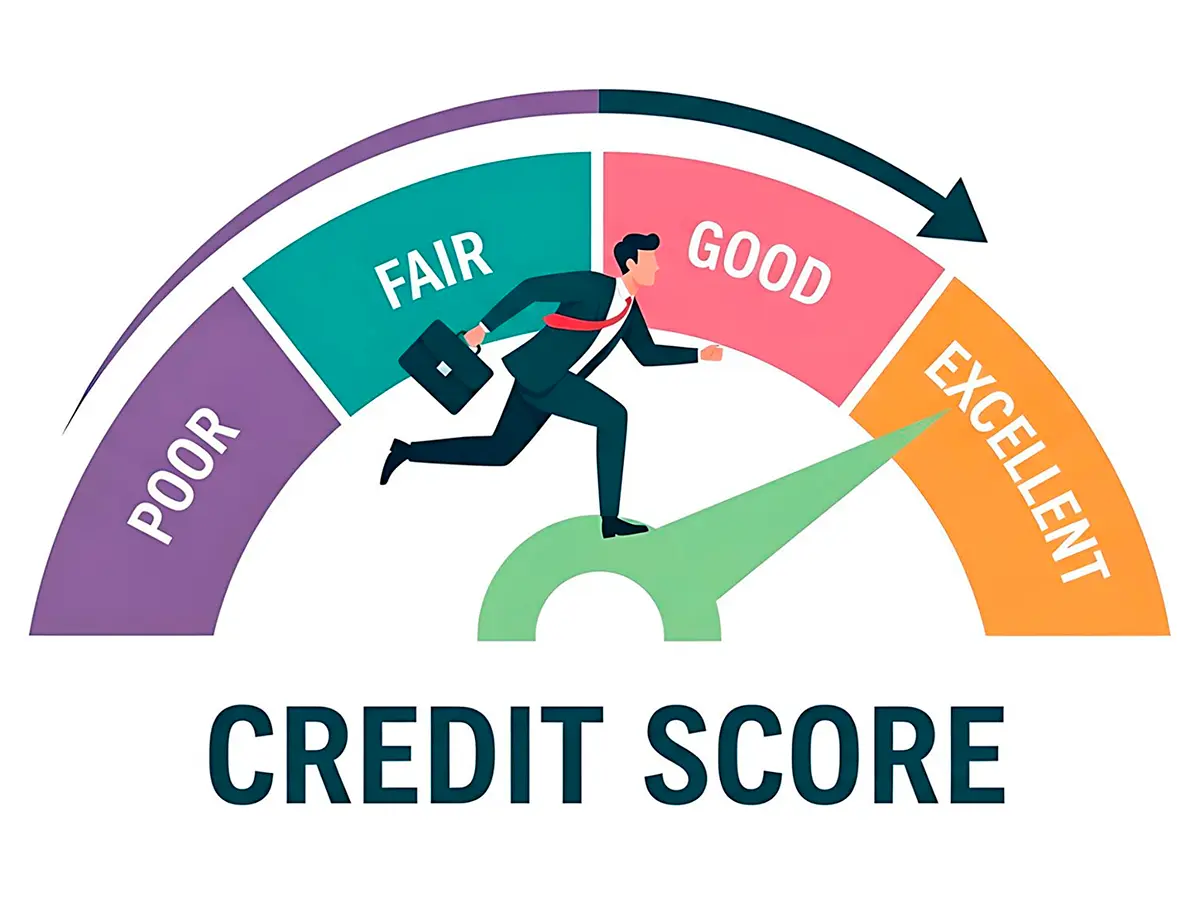
Built around established U.S. credit reporting practices and dispute procedures under the Fair Credit Reporting Act (FCRA). No unrealistic promises—just clarity, documentation, and structured credit improvement.
Unlock more options
Choose the outcome you care about. We’ll outline what improves it—and what to watch for—so you can move forward with confidence.
Your path to stronger credit
A stronger credit profile can mean better approval odds, improved loan terms, and more financial flexibility. Get a clear, no-fluff overview of what credit improvement can help you achieve — then take the next step when you're ready.
Credit decisions in the U.S. are typically influenced by payment history, utilization ratios, account age, recent inquiries, and the accuracy of reporting across major credit bureaus.
Even small inconsistencies can affect lending algorithms. A structured credit improvement approach focuses on verified data, responsible usage patterns, and consistent financial behavior.
*Results vary. This page does not guarantee outcomes.
How it works
A straightforward workflow used by reputable credit‑support programs: review, challenge what’s questionable, and build stronger habits while updates are processed.

Review your starting point
Clarify your goal and look at what’s currently affecting approvals and terms.

Identify what can be challenged
See what information is typically needed, what to expect next, and how the workflow usually looks.

Move forward
Continue to explore available options and take the next step toward better credit outcomes.
credit repair attorney near me: what to expect, how to evaluate, and when it's worth it
You're not shopping for magic; you're shopping for precision. A credit repair attorney offers legal leverage, documented process, and accountable timelines. That sounds dry, but it's exactly what protects you from vague promises. If you're weighing options, set clear expectations first and then evaluate how each firm measures up to them.
What to expect from the first conversation
It won't fix everything overnight. Actually, a few items may fall off within 30 days if they're blatantly unverifiable - but that's the exception, not the rule. Expect a structured intake and defined next steps.
- Document review: Pulls from all three bureaus, adverse action notices, and debt letters.
- Issue mapping: Distinguishes inaccuracies, obsolete data, and mixed files from legitimate debt.
- Strategy outline: Dispute path, escalation triggers, and potential litigation thresholds under FCRA or FDCPA.
- Timeline: Roughly 30 - 45 days per dispute cycle, with 2 - 4 cycles common for complex cases.
- Outcome framing: No guarantees; instead, probability ranges tied to evidence.
- Fees explained plainly: Flat, hourly, or hybrid - plus what's included and what's not.
A quick real-world moment
I called a local attorney from my car outside a coffee shop after a surprise 13.4% auto APR - caused by a "collection" that didn't belong to me. The attorney didn't promise a score jump. He asked for my denial letter, ID mix flags, and prior addresses. Not flashy, but two weeks later we had a targeted dispute drafted with exhibits. The rate didn't drop that day; it did, however, become negotiable.
How to evaluate a credit repair attorney near me
- Credentials and focus: Consumer law experience, not just generic practice. Ask about recent FCRA/FDCPA matters.
- Evidence-first approach: They should request reports, letters, and call logs before drafting anything.
- Clear communication: Who updates you, how often, and via what portal or email cadence.
- Transparent fee model: Written engagement letter with scope, cycles included, and exit options.
- Litigation readiness: If bureaus or furnishers stonewall, do they file or refer? How often and with what results?
- Local familiarity: Not essential, but helpful for courthouse norms and collector behavior in your region.
Costs you might see
Most legit attorneys avoid pay-for-deletion promises. Instead, you'll see:
- Flat fees per dispute cycle for investigation, drafting, and bureau follow-up.
- Hourly billing for complex factual development or mixed-file cleanups.
- Contingency only if a valid claim is filed against a furnisher or collector and statutes allow recovery.
The process, step by step
- Audit: Tri-merge review, highlight inaccuracies, gather proof.
- Dispute: Tailored letters with exhibits and precise citations.
- Verify and escalate: Track bureau responses; challenge incomplete reinvestigations.
- Remedy: Seek deletions, corrections, or damages if laws were violated.
- Rebuild support: Goodwill outreach, utilization planning, and lender-ready documentation.
Red flags to avoid
- Guaranteed score boosts or exact timelines.
- "New identity" or CPN schemes.
- Blanket disputes of accurate items just to "see what sticks."
- Upfront payment with vague scope and no written plan.
- Pressure to file police reports without real identity theft.
Local convenience, real value
"Near me" shouldn't only mean a short drive. It should mean faster document drops, easier notary access, and a professional who understands which collectors are active in your area. Convenience is nice; context is better.
If you're comparing options, start with expectations and evaluation. Ask for a specific plan, a plain-English fee summary, and measurable checkpoints. A careful attorney won't oversell. That restraint is, oddly, the first sign you may get the results you actually want.
How Our Plantation Credit Repair Attorneys Can Help You. If left unchecked, inaccurate credit reporting can have devastating financial consequences, costing you ...
Connect with a local Baltimore, MD attorney with proven experience helping clients with Maryland credit repair issues.
Compare the best Credit Repair lawyers near Lake Los Angeles, CA today. Use our free directory to instantly connect with verified Credit Repair attorneys.
Frequently asked questions
A clear next step — without the guesswork
See what’s impacting approvals and what may deserve a closer look.
Understand how disputes are structured and what documentation matters.
Improve utilization, consistency, and long-term credit stability.
See what improving your credit could change
Take a structured next step based on your current profile — and decide with clarity.